
Two buyers. One burnt-out seller. No consensus. | Built to Sell News
We looked at six years of PREScore™ data, and one finding stood out: 17.5% of business owners now point to

We looked at six years of PREScore™ data, and one finding stood out: 17.5% of business owners now point to

You’ve probably received the email. It starts with a compliment: “I love what you’ve built.” Then comes the ask: a
” When I sell the company, then I’ll be happy.” Psychotherapist Jo Swann says that one phrase is the most
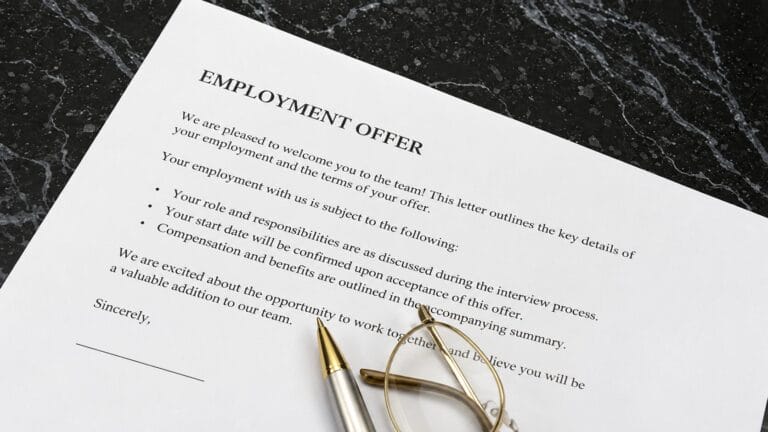
Every founder fixates on the multiple. Tim Hellebrand will tell you the (second) most important number on a letter of

A lot of owners are watching AI reshape their industry and quietly wondering if they’ve waited too long. The search

If you’re reading this, chances are you have a partner in your business. Could be an operating partner. Could be
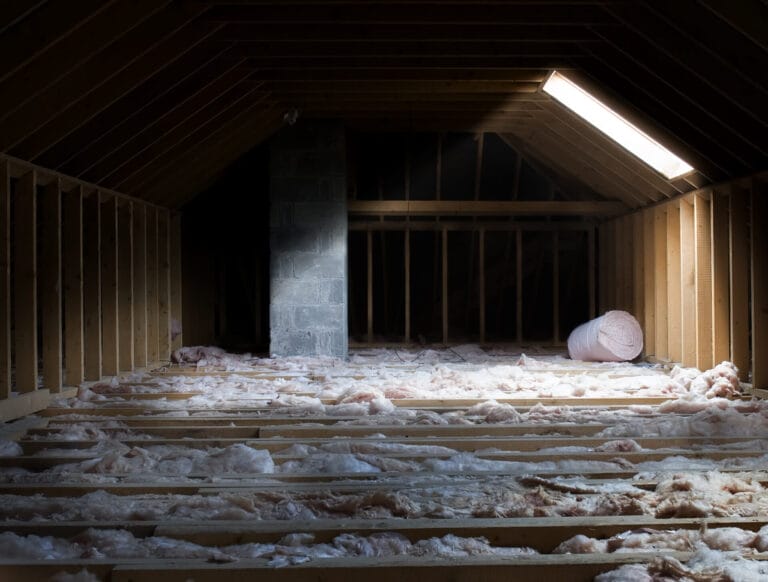
There’s an old idea in M&A called the Rembrandt in the attic. A company owns something valuable, a brand, a

When Aaron Leibtag first came on Built to Sell Radio, he had just sold a controlling stake in Pentavere, his

Join John Warrillow on Wednesday, May 13, at 12 pm ET, for an exclusive live session on creating a business
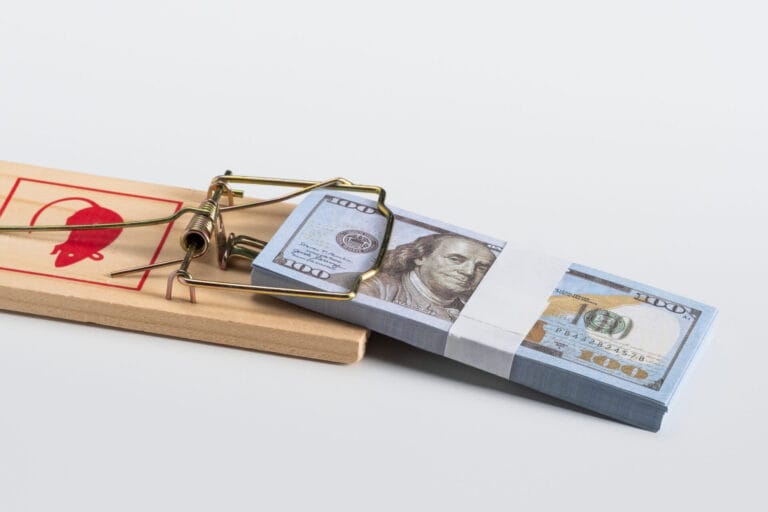
Most founders have a number in their head. For some it’s $5 million. For others it’s $10 million, or $20

If you’ve ever walked into a negotiation hoping for the best, you’re already behind. John Richardson has spent decades teaching

Murray Kent bought a four-person electrical conduit business for $40,000. It looked like a crack den. He had no industry
We looked at six years of PREScore™ data, and one finding stood out: 17.5% of business owners now point to
You’ve probably received the email. It starts with a compliment: “I love what you’ve built.” Then comes the ask: a
” When I sell the company, then I’ll be happy.” Psychotherapist Jo Swann says that one phrase is the most
Every founder fixates on the multiple. Tim Hellebrand will tell you the (second) most important number on a letter of
A lot of owners are watching AI reshape their industry and quietly wondering if they’ve waited too long. The search
If you’re reading this, chances are you have a partner in your business. Could be an operating partner. Could be
There’s an old idea in M&A called the Rembrandt in the attic. A company owns something valuable, a brand, a
When Aaron Leibtag first came on Built to Sell Radio, he had just sold a controlling stake in Pentavere, his
Join John Warrillow on Wednesday, May 13, at 12 pm ET, for an exclusive live session on creating a business
Most founders have a number in their head. For some it’s $5 million. For others it’s $10 million, or $20
If you’ve ever walked into a negotiation hoping for the best, you’re already behind. John Richardson has spent decades teaching
Murray Kent bought a four-person electrical conduit business for $40,000. It looked like a crack den. He had no industry


