
November 13, 2026 |


Subscribe:


Every founder faces a choice at some point: own all of a business you can finance yourself, or give up most of it to raise the capital for something much bigger. Mike Wystrach chose the second path. He co-founded Freshly in 2012, raised more than $100 million in venture capital and another $50 million in venture debt, and by the time Nestle acquired the company for $1.5 billion in 2020 he owned just under 10 percent. He walked away with roughly $100 million.
Mike learned the mechanics of a venture term sheet while he was negotiating one, and in this episode he breaks down the terms that sit behind a headline valuation and decide what a founder actually keeps if they take outside money. In this episode of Built to Sell Radio, you discover how to:
Connect with Mike on LinkedIn
Visit Mike’s website
Learn more about today’s sponsor, TAB.
Learn more about today’s sponsor Axial.

Definitions
Due-Diligence: This is a comprehensive appraisal of a business or investment undertaken before a merger, acquisition, or investment. It seeks to validate the information provided and uncover any potential risks or liabilities.
Earn-out: This is a financing arrangement for the purchase of a business, where the seller must meet certain performance goals before receiving the full purchase price. It reduces the buyer’s risk and aligns the interests of both parties post-acquisition.
Errors and Omissions Insurance (E&O): This is a form of liability insurance that protects companies and their employees against claims of inadequate or negligent actions, particularly in professional advice and services.
Re-Trading: This occurs when a buyer attempts to renegotiate the purchase price of a deal after initially agreeing to one. It is often seen unfavorably as it occurs after due diligence, seemingly exploiting newly discovered information.
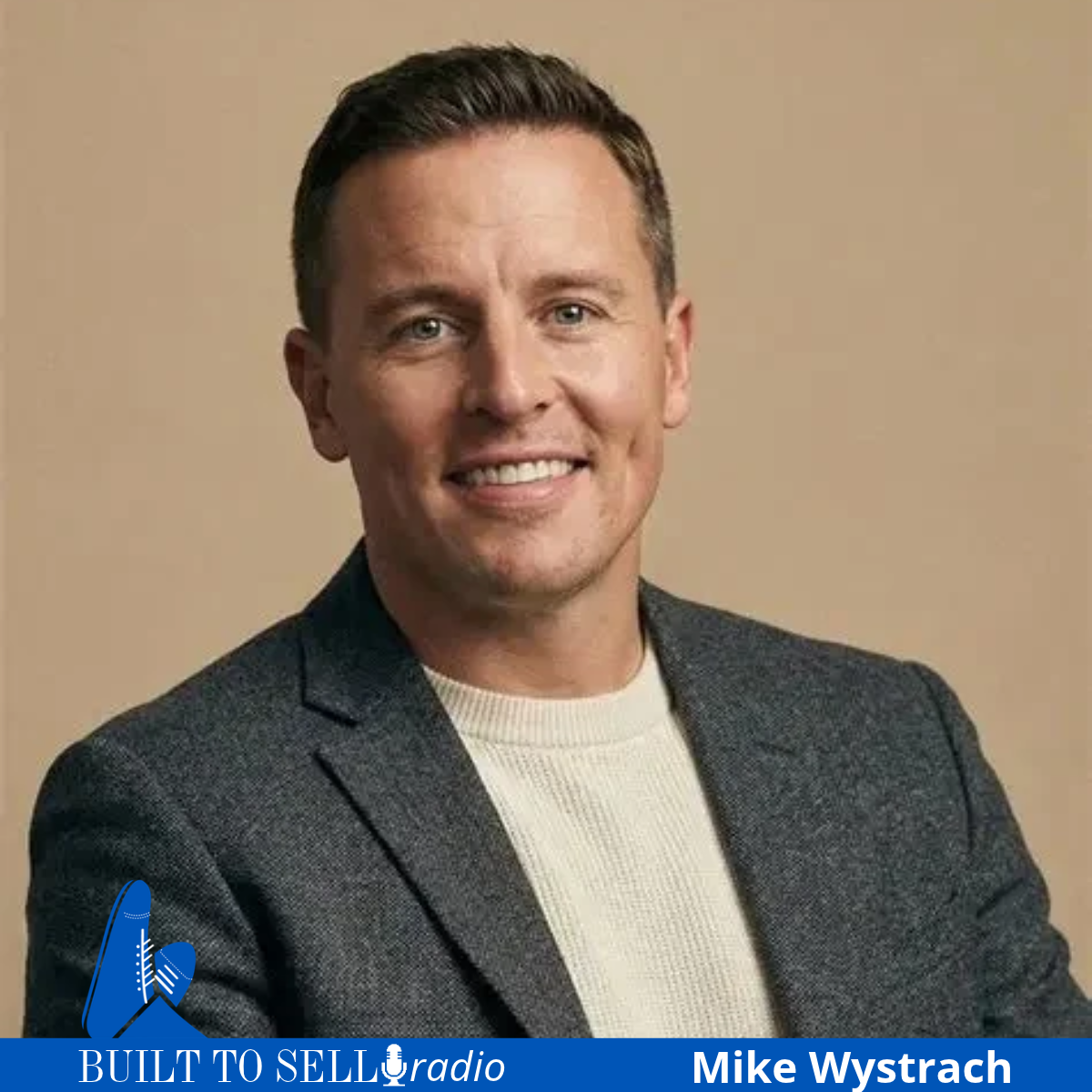
Mike Wystrach
Mike Wystrach is the co-founder of Freshly, the prepared-meal delivery company he started in 2012 with $15 in the bank. He grew up on a ranch in southern Arizona, and before Freshly he worked in equity sales on Wall Street and opened a restaurant that failed. He says that failure taught him more about business than anything else. He grew Freshly to about 2,500 employees shipping more than a million meals a week across 48 states. In 2020 he sold it to Nestlé for $1.5 billion.
Today Mike is co-founder and co-CEO of Petfolk, a chain of veterinary care centers he runs with his sister, Dr. Audrey Wystrach. He is also co-founder of Cutting Horse, a firm that invests in consumer brands. He hosts The Advantage, a weekly podcast and newsletter for consumer-brand founders. He lives in New York.
