
March 6, 2026 |


Subscribe:


Most founders approach a sale with one goal: get the highest price possible. But Mark Ferrer argues that focusing only on price can lead to the wrong deal, the wrong partner, and a painful transition after closing.
In this episode of Built to Sell Radio, John Warrillow talks with Ferrer about what he has learned after moving from founder to buyer, and why every owner needs to know whether they are a transactional, transitional, or transformative seller before they go to market. In this episode, you discover how to identify your seller type before a buyer does it for you.
You’ll learn:
Want to increase the value of your company? Sign up for Built to Sell News
Definitions
Shotgun Clause:
A “shotgun clause” is a type of buy-sell agreement often included in the partnership or shareholder agreements of a privately-held company. This clause is designed to resolve situations where partners or shareholders want to separate from each other due to disagreements or other issues.
How it Works:
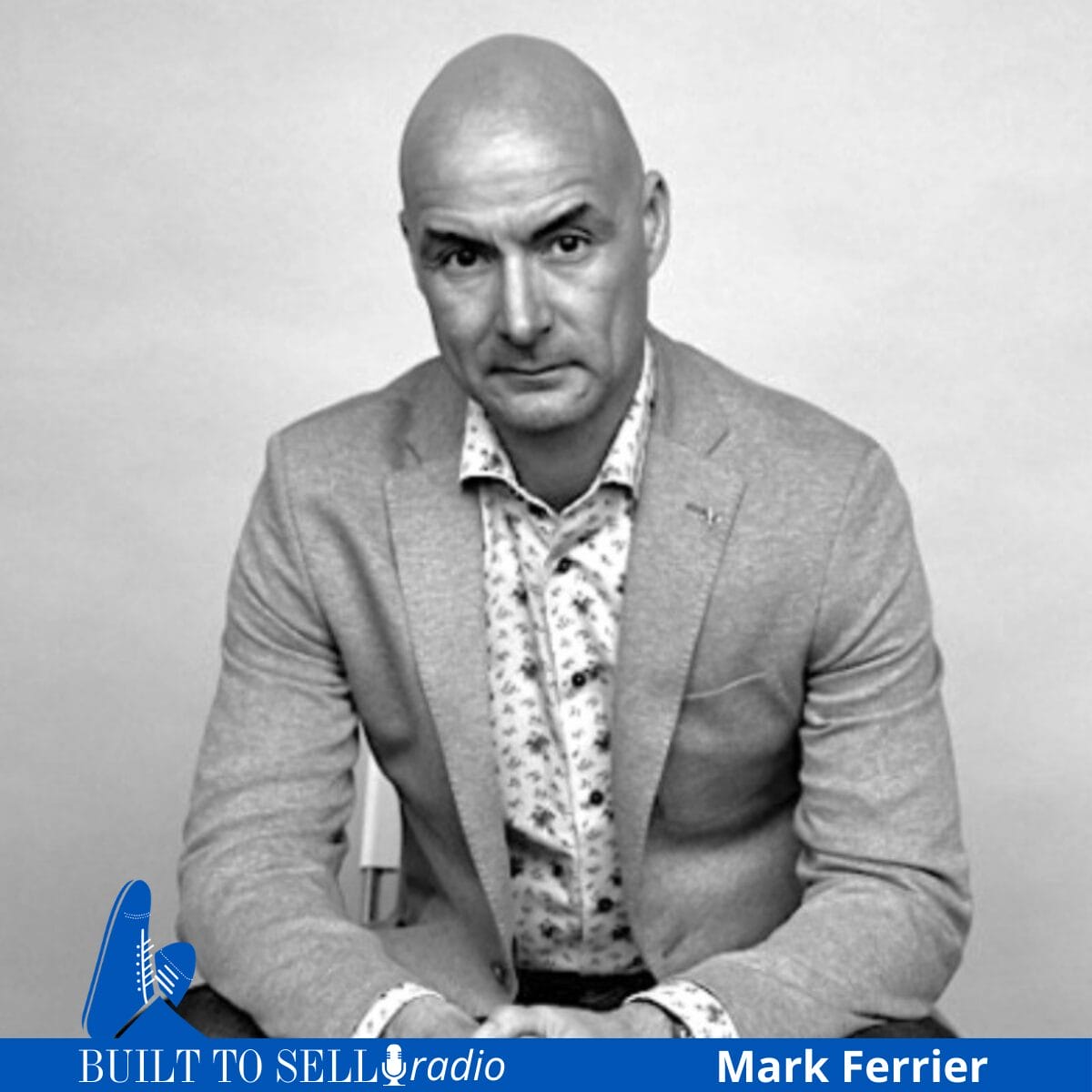
Mark Ferrier
Mark Ferrier has had the opportunity to initiate seven different companies, exiting three in multiple forms and experiencing failure with one. Over his 25-year career in growing businesses and building brands, many of the enterprises he has been involved with have earned recognition on the Growth 100 List and the Profit Hot 50 start-up lists. He exited his last business, Traffikgroup.com, in 2015 to an Onex company and subsequently led their global growth strategy with the brand and marketing organization globally, increasing revenue from $20M USD to $75M USD before his departure in 2019.
Mark’s business philosophies are anchored in the belief that value creation is not solely financial. It must also be demonstrable in the growth of human capital and the communities in which businesses operate, both physically and virtually.
In 2021, he founded Kurious Inc. and &Capital, with a straightforward mission to assist companies in growth based on his experiences and strategies around growth, serving as an entrepreneur, creator, business builder, and investor.
Want to nominate a founder? Click here.
